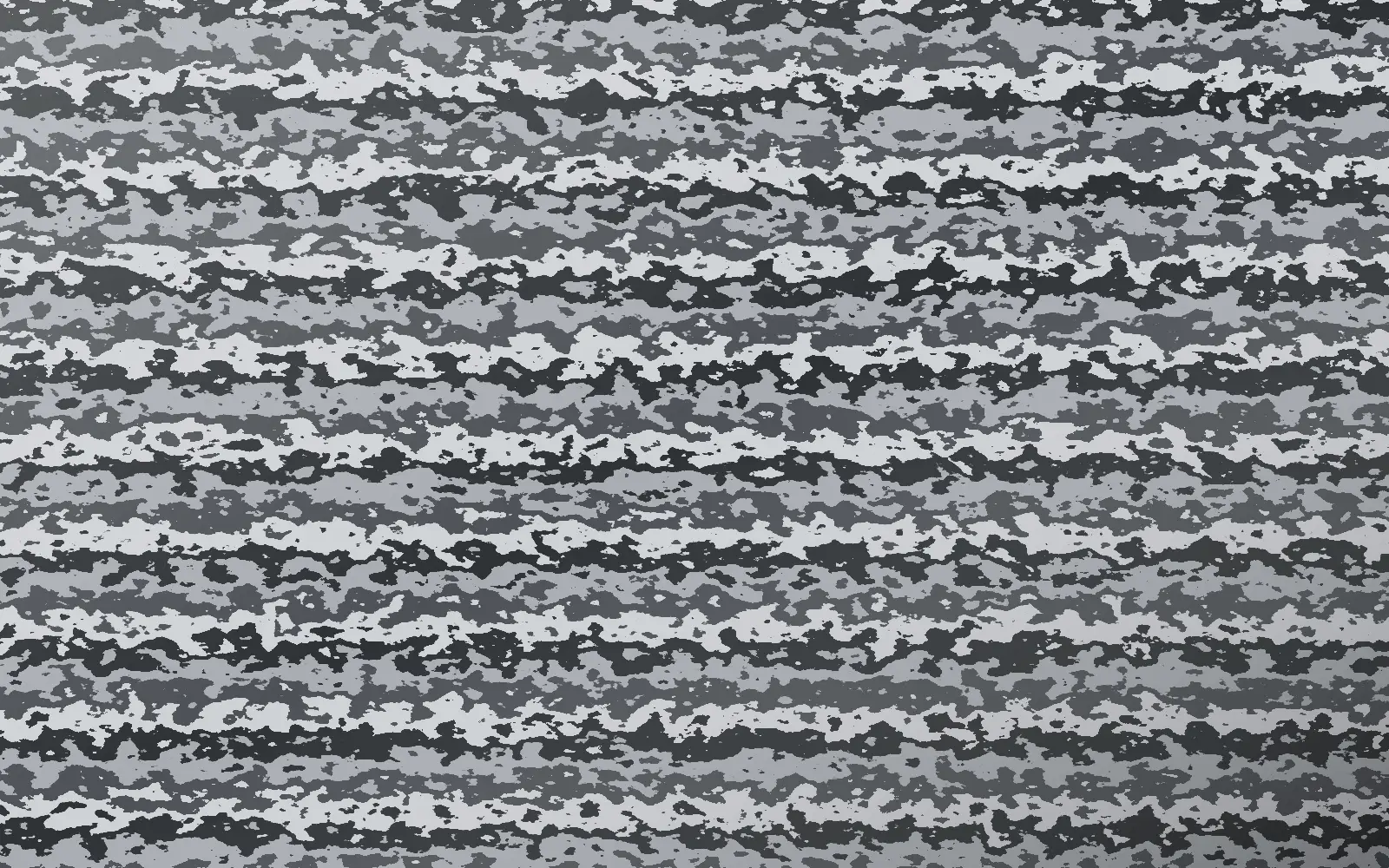
Twisting stresses the welds, so twist Damascus is a sign of a confident smith. The depth of grind changes the look completely, which is why no two twist blades match.
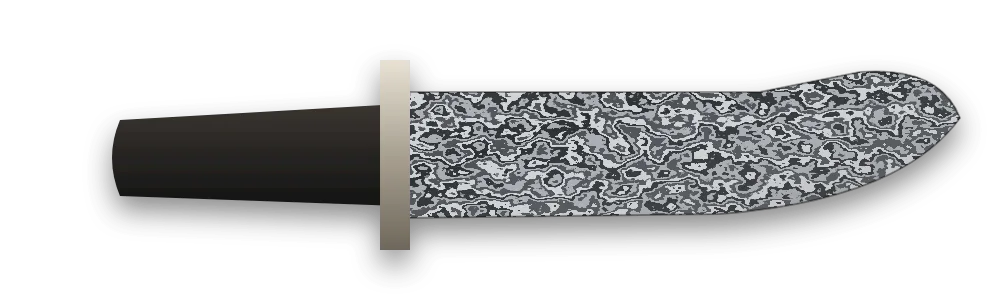
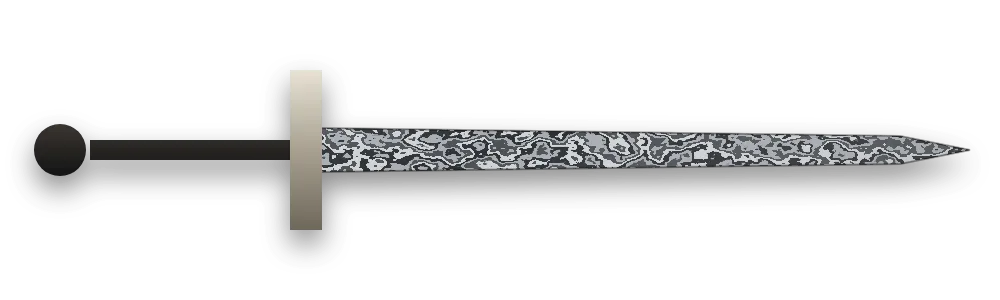
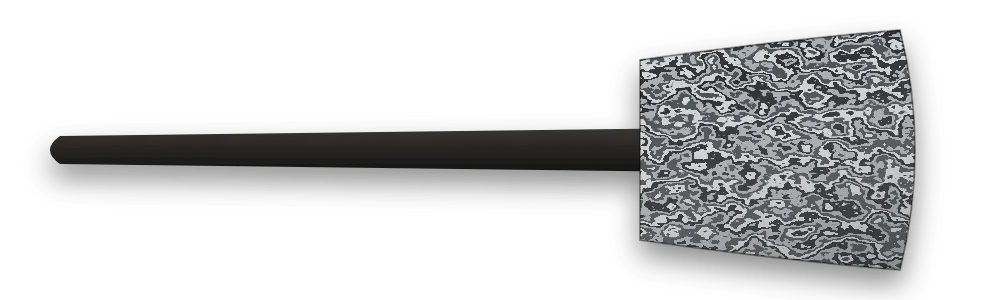
Twist is traditional on Viking-age swords (pattern-welded cores were often twisted rods) and looks superb on Bowies, axes and dirks.
Where we use twist Damascus
Ordering Twist Damascus
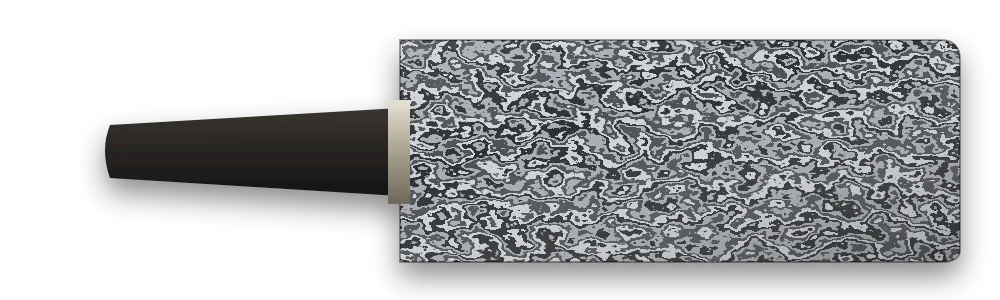
Twist Damascus is available across the collections above as a stock option or on private-label designs. Because every billet is forged individually, no two blades match exactly; for sets and paired products we cut from the same billet or batch so the pattern stays consistent. Spec sheets state the steels, layer count and hardness, and we send etch photos with samples so you can judge the pattern before ordering.
Twist Damascus questions
Why does twist Damascus look different on each blade?
The look depends on how deep the blade is ground into the twisted bar — shallow grinds show a rope, centre grinds show a star.
Is twist Damascus historical?
Yes — twisted pattern-welded rods formed the cores of many early medieval and Viking-age swords.