Damascus patterns, explained.
How each pattern is forged, what it suits, and how to tell it’s real. Artwork shown is original generated pattern art.
How Damascus patterns are made
Every Damascus pattern starts the same way: two or more steels are stacked, forge-welded and folded into a billet. What happens next decides the pattern. Left alone, the layers flow into a random or wave pattern. Twisted, they become twist; drilled, raindrop; grooved, ladder; split with a wedge, feather.
The choice of steels sets the colour: carbon steel with nickel-bearing 15N20 gives bold black-and-silver contrast, stainless Damascus gives softer greys, and copper or titanium Damascus add colour for fittings and jewellery. None of these patterns changes how sharp a blade is — that comes from the steels and the heat treatment — but each one is proof that the layers are real.
The pattern library
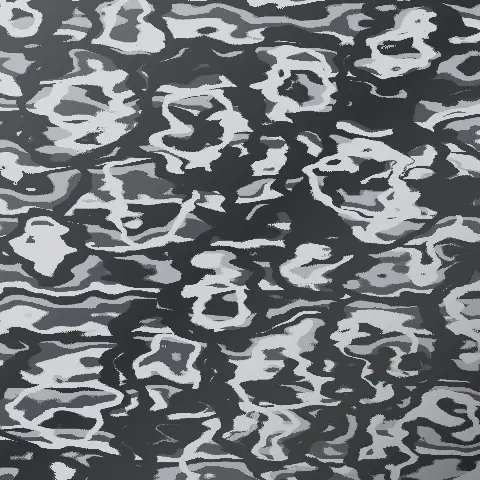 Raindrop Damascus
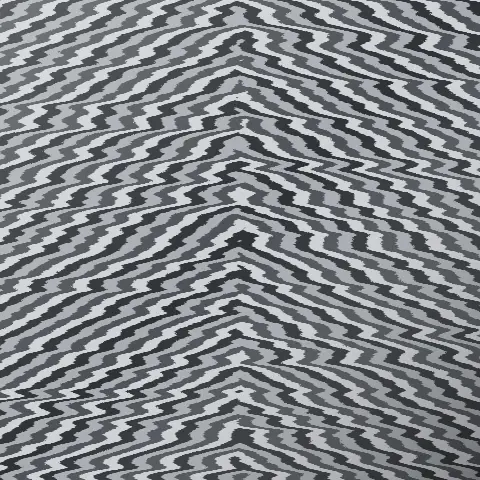 Feather Damascus
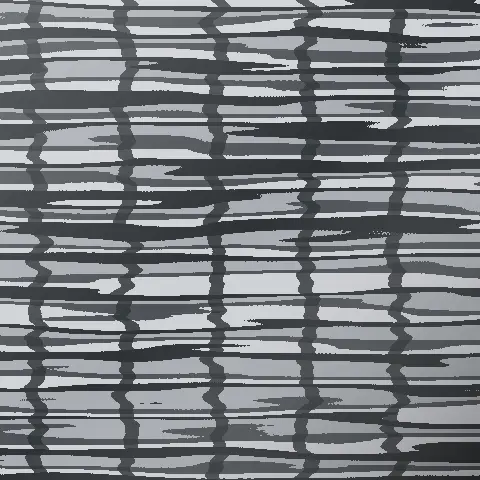 Ladder Damascus
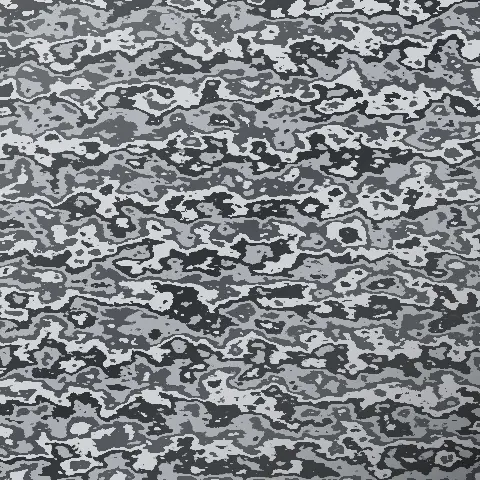 Twist Damascus
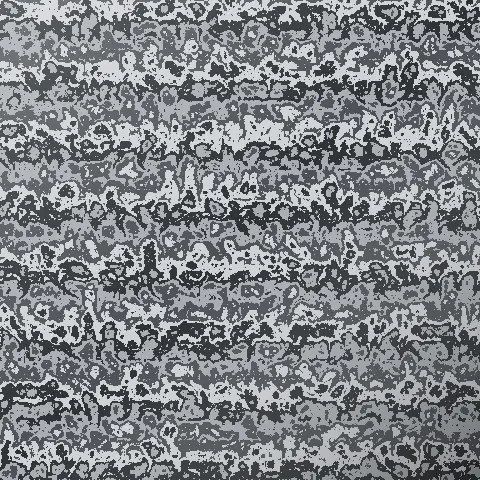 Cable Damascus
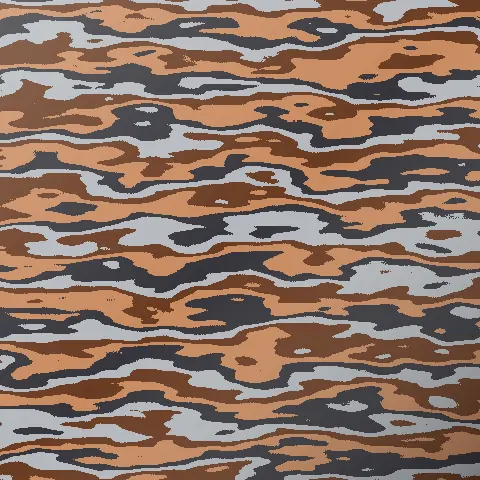 Copper Damascus
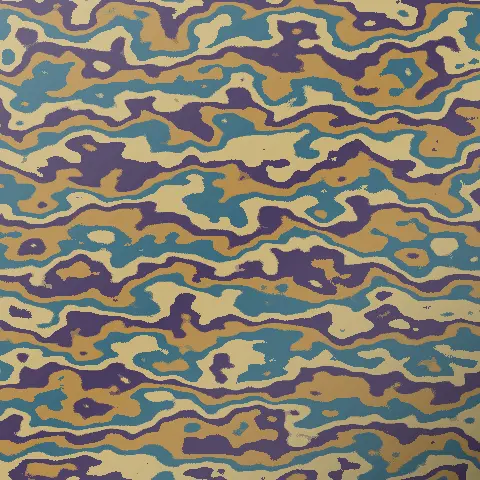 Titanium Damascus
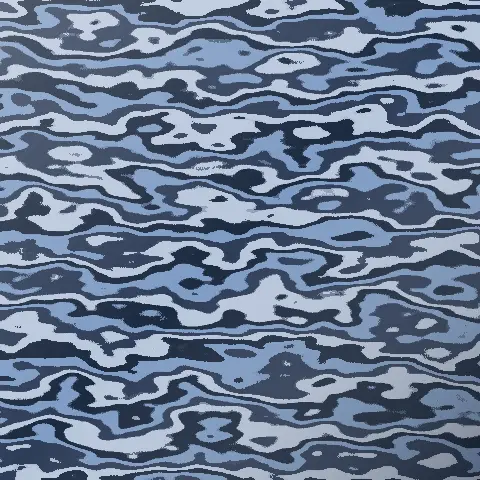 Blue Damascus
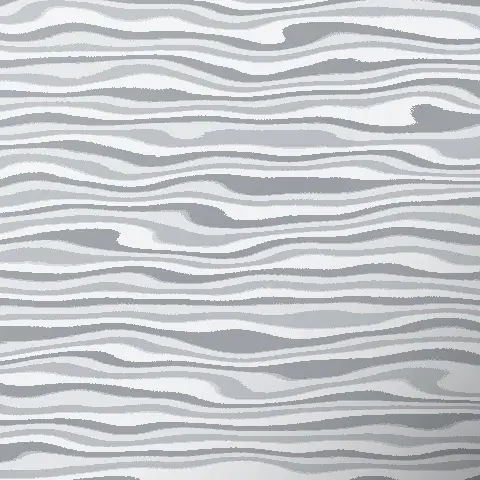 Stainless Damascus
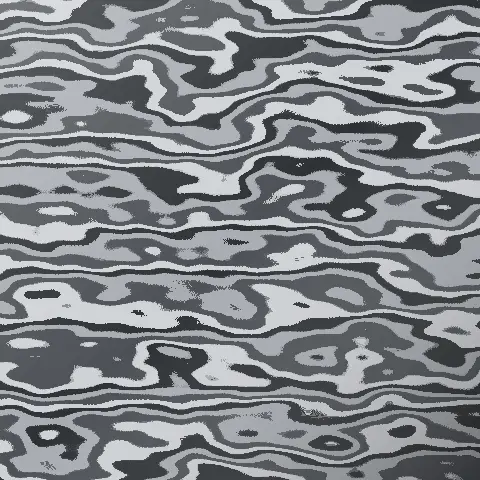 Wave & Random Damascus
Patterns compared
| Pattern | How it’s made | Best for |
|---|---|---|
| Raindrop Damascus | The smith drills or presses shallow dimples into a layered billet, then grinds or forges it flat, exposing rings of alternating steel around each dimple. | Folders, chef knives, razors |
| Feather Damascus | It is made by splitting a stacked billet down the middle with a wedge, pushing the layers into a V, then forging it closed — a technically demanding pattern with a high failure rate. | Daggers, carving knives, gentleman’s folders |
| Ladder Damascus | The smith cuts or forges grooves across a straight-laminate billet and then flattens it, so the layers ripple up at each groove and show as stripes. | Cleavers, Bowies, swords |
| Twist Damascus | Grinding to the centre of the twist exposes a star or rosette pattern; grinding shallower shows a ‘rope’ of diagonal lines. | Bowies, axes, Viking swords |
| Cable Damascus | The strands are cleaned, fluxed and forge-welded into a solid bar, then folded or twisted; when etched, the individual wires show as a fine, chaotic grain. | Tantos, hunters, camp knives |
| Copper Damascus | Copper doesn’t harden, so it is used for cladding over a hard steel core, or for guards, bolsters, rings and display swords — never as the cutting edge on its own. | Cladding, guards, rings, display swords |
| Titanium Damascus | Heating the finished piece produces oxide colours — gold, purple, blue — that differ between alloys, so the pattern appears in colour. | Rings, bolsters, handle scales, clips |
| Blue Damascus | The colour is a thin oxide layer, so it sits on the surface: it looks spectacular on handles, bolsters, rings and display blades but wears off a working edge. | Fittings, rings, display blades |
| Stainless Damascus | Contrast is softer — silver and charcoal rather than black and white — and it is the standard choice for kitchen knife cladding, fillet knives, rings and EDC knives. | Kitchen, fishing, rings, EDC |
| Wave & Random Damascus | The layers ripple naturally as the billet is drawn out and shaped, so every blade’s grain is unique. | Almost any blade |
Build your Damascus range.
Tell us what you sell and where. You’ll get spec sheets, unit pricing, minimums and lead times — usually within one business day.